
February 3, 2026 by wtadmin 0 Comments

Do You Need Antibiotics After A Dental Implant? A Dentist’s Guide

“Do I need antibiotics after a dental implant?” Not everyone needs antibiotics after a dental implant. Whether you’re prescribed antibiotics for your dental implant depends on factors such as your oral health, medical history, and the complexity of the implant procedure.

In this blog, we’ll discuss when antibiotics are necessary after a dental implant, when they may not be needed, and how proper dental implant aftercare helps reduce infection risk.

Why are antibiotics sometimes prescribed after dental implants?

Antibiotics may be prescribed to reduce the risk of infection during the early healing phase. After implant placement, the surgical site is temporarily more vulnerable to bacteria while the surrounding tissue heals. Bacteria naturally live in the mouth, and if they enter the implant site during early healing, they can interfere with integration.

In some cases, antibiotics are used as part of dental implant infection prevention, especially when the risk of infection is higher. This helps reduce the chance of complications such as peri-implantitis, an inflammatory condition that affects the tissue and bone around an implant.

What types of antibiotics are used for dental implants?

Dentists typically prescribe broad-spectrum antibiotics that target oral bacteria. The specific antibiotic chosen depends on the patient’s medical history and allergy profile. Commonly prescribed options include amoxicillin or clindamycin for patients with penicillin allergies.

Importantly, antibiotics for dental implant procedures are not prescribed routinely, selected on a case-by-case basis. Some patients may receive antibiotics before surgery, while others may be prescribed a short course afterward, depending on their individual risk factors.

When are antibiotics not necessary after a dental implant?

Antibiotics may not be necessary for healthy patients undergoing straightforward implant procedures. Many patients heal successfully without antibiotics when infection risk is low. Low-risk patients typically include those who:

  • Are in good general health
  • Have healthy gums and good oral hygiene
  • Are receiving a single, uncomplicated implant

Who is more likely to need antibiotics after a dental implant?

Patients with certain health conditions or higher infection risk may benefit from antibiotics. These patients may require additional protection during healing. Higher-risk groups include patients with:

  • Diabetes
  • A compromised immune system
  • A history of gum disease
  • Complex or multiple implant placements
  • Previous implant complications

Do antibiotics guarantee dental implant infection prevention?

No, antibiotics alone do not guarantee infection prevention. They are only one part of a successful recovery. Effective dental implant aftercare is just as important. Best practices include:

  • Maintaining excellent oral hygiene
  • Attending follow-up appointments
  • Avoiding smoking
  • Following dietary and care instructions

What are the risks of taking antibiotics when they aren’t needed?

Unnecessary antibiotic use can lead to side effects and antibiotic resistance. This is why careful prescribing is essential. Potential risks include:

  • Digestive upset
  • Allergic reactions
  • Increased resistance to antibiotics

What does proper dental implant aftercare involve?

Good aftercare plays a bigger role in healing than antibiotics alone. Daily habits and follow-up care directly affect implant success. Key aftercare steps include:

  • Following oral hygiene instructions
  • Avoiding smoking
  • Attending scheduled check-ups
  • Eating soft, nutritious foods during healing

Still wondering, “Do I need antibiotics after dental implants?”

At AMDC, our dentists carefully assess your oral health, medical history, and treatment needs to determine the safest and most effective plan for you. Contact us today to receive expert guidance, personalised aftercare, and confidence at every stage of your dental implant journey.

February 3, 2026 by wtadmin 0 Comments

How To Prepare For Dental Implant Surgery: A Step-By-Step Guide

Preparing for dental implant surgery can feel overwhelming if you’re unsure what to expect or how to get ready. Whether you’re just beginning your treatment journey or approaching your surgery date, knowing how to prepare for dental implant surgery can help the process feel far more manageable and reassuring.

This step-by-step guide covers essential dental implant surgery preparation, including what to do before dental implant surgery, helpful dental implant surgery tips, and the most important dental implant preparation steps to follow.

What should you expect before dental implant surgery?

Before dental implant surgery, you’ll undergo a thorough consultation, imaging, and treatment planning to ensure the implant is placed safely and successfully. Key dental implant preparation steps include:

  • A comprehensive dental examination
  • Diagnostic imaging using X-rays or CBCT scans
  • A detailed treatment plan discussion
  • Treating gum disease or completing extractions if required

Each step ensures your jawbone, gums, and overall health are ready for implant placement. Your dentist will also walk you through the treatment timeline so you know exactly what to expect before dental implant surgery and how to prepare.

What medical information should you share with your dentist before surgery?

You should share your full medical history, medications, and lifestyle habits before implant surgery. This information allows your dentist to plan safely and reduce the risk of complications. Be sure to disclose:

  • Chronic medical conditions
  • Medications, including blood thinners and supplements
  • Smoking or vaping habits
  • Known allergies

Being open and detailed is an essential part of what to do before dental implant surgery.

What questions should you ask your dentist before dental implant surgery?

Asking the right questions helps you feel confident and informed before your procedure. Helpful questions include:

  • How long will recovery take?
  • Will I need pain medication or antibiotics?
  • What follow-up care is required?

Should you change your routine before dental implant surgery?

Yes, certain lifestyle adjustments before surgery can reduce complications and improve healing. These changes support better outcomes and are important dental implant surgery tips. Even small changes can positively impact recovery, so your dentist may recommend that you:

  • Stop smoking or vaping
  • Avoid alcohol in the days leading up to surgery
  • Maintain excellent oral hygiene
  • Follow any medication instructions provided

What should you eat or avoid before dental implant surgery?

Your dentist may recommend light meals and avoiding certain foods before surgery, depending on the sedation method. Generally, you should avoid heavy, greasy foods or alcohol, as these can interfere with sedation or increase discomfort. You may also be advised to fast for a set period before surgery and stay well hydrated beforehand.

How should you prepare your home for recovery after surgery?

Preparing your home in advance helps ensure a smooth and stress-free recovery. Before surgery, consider:

  • Stocking up on soft, easy-to-eat foods
  • Arranging transport home after the procedure
  • Preparing any prescribed medications
  • Setting aside time for rest

Ready to start preparing for dental implant surgery?

You don’t have to prepare for dental implant surgery on your own. At American Medical & Dental Center, our experienced dental team will guide you through every step, from initial planning to aftercare, so you feel confident and fully informed.

Contact our team today to book a consultation and receive personalised guidance on how to prepare for dental implant surgery.

December 31, 2025 by wtadmin 0 Comments

Tips For Recovering After Teeth Extraction

If you’re preparing for a tooth extraction or recovering from one, having the right tooth extraction aftercare tips can make the healing process much smoother. This guide walks you through what to expect, how to manage discomfort, and the essential dos and don’ts that support safe, healthy recovery.

What should you expect right after a tooth extraction?

You can expect mild bleeding, swelling, and tenderness during the first 24–48 hours of teeth extraction recovery. These are normal parts of the dental extraction healing process. Most symptoms improve steadily as the blood clot forms and stabilizes.

Immediately after the procedure, your dentist will place gauze over the site to control bleeding. Keeping pressure on the gauze helps support clot formation, which is essential for after-tooth-extraction care. Avoid poking the area or repeatedly checking it, as disturbing the clot can slow healing.

If you begin experiencing soreness as the numbness wears off, here’s how to reduce pain after tooth extraction:

  • Apply an ice pack for 15 minutes at a time to reduce inflammation.
  • Ibuprofen is often recommended because it helps reduce discomfort and swelling simultaneously.
  • Elevating your head while resting can also help decrease pressure.

What are the dos and don’ts after tooth extraction?

These behaviors help prevent dry socket and support a smooth tooth extraction healing time:

Do:

  • Stick to soft foods
  • Rest and limit physical activity
  • Use warm salt-water rinses after 24 hours

Don’t:

  • Smoke
  • Use a straw
  • Rinse aggressively
  • Eat very hot foods

When can you start brushing and rinsing after extraction?

You can brush your remaining teeth on the day of your procedure, but it’s best to leave the extraction site alone for the first 24 hours. Once that initial period has passed, you can begin gently rinsing with warm salt water to keep the area clean and comfortable as it heals.

This can help soothe swollen gums after extraction and during recovery and promote a cleaner healing environment. Avoid alcohol-based mouthwash early on, as it may irritate the area.

What foods should you eat during teeth extraction recovery?

Soft, cool, or lukewarm foods are best for the first 48 hours. These protect the healing site and minimize irritation. Good options include:

  • Soups and broths
  • Mashed potatoes
  • Smoothies (without a straw)
  • Scrambled eggs
  • Yogurt and applesauce

Generally, high-protein soft foods can support faster tissue repair during dental extraction healing.

When should you contact your dentist after a tooth extraction?

Reach out to your dentist if you experience severe pain after two to three days, persistent bleeding, fever, or a foul taste. These may indicate infection or complications like dry socket.

How AMDC supports your recovery after tooth extraction

At the American Medical and Dental Center, we provide comprehensive guidance on how to recover after tooth extraction, along with personalized aftercare plans to ensure comfort and fast healing. Our team monitors your progress closely and is always ready to assist if your symptoms feel unusual.

Whether the extraction is part of orthodontic treatment, implant preparation, or general dental care, our specialists prioritize safety and comfort from start to finish. Ready for expert care? Explore our dental extraction service and book your appointment today.

December 25, 2023 by wtadmin 0 Comments

Achieving a Picture-Perfect Smile with Dental Implants in Dubai

Dental implants are a popular and reliable tooth replacement solution that can restore a beautiful smile and provide lasting oral health benefits. The American MD Center in Dubai offers advanced and personalized dental implant procedures for patients missing one or more teeth.

A smile is one of the first things people notice when meeting someone new. A picture-perfect smile not only boosts confidence but also leaves a lasting impression. One of the primary reasons people might be self-conscious about their smile is missing teeth. Luckily, the American MD Center in Dubai offers dental implants as a reliable tooth replacement solution to restore a beautiful and healthy grin.


What are Dental Implants?

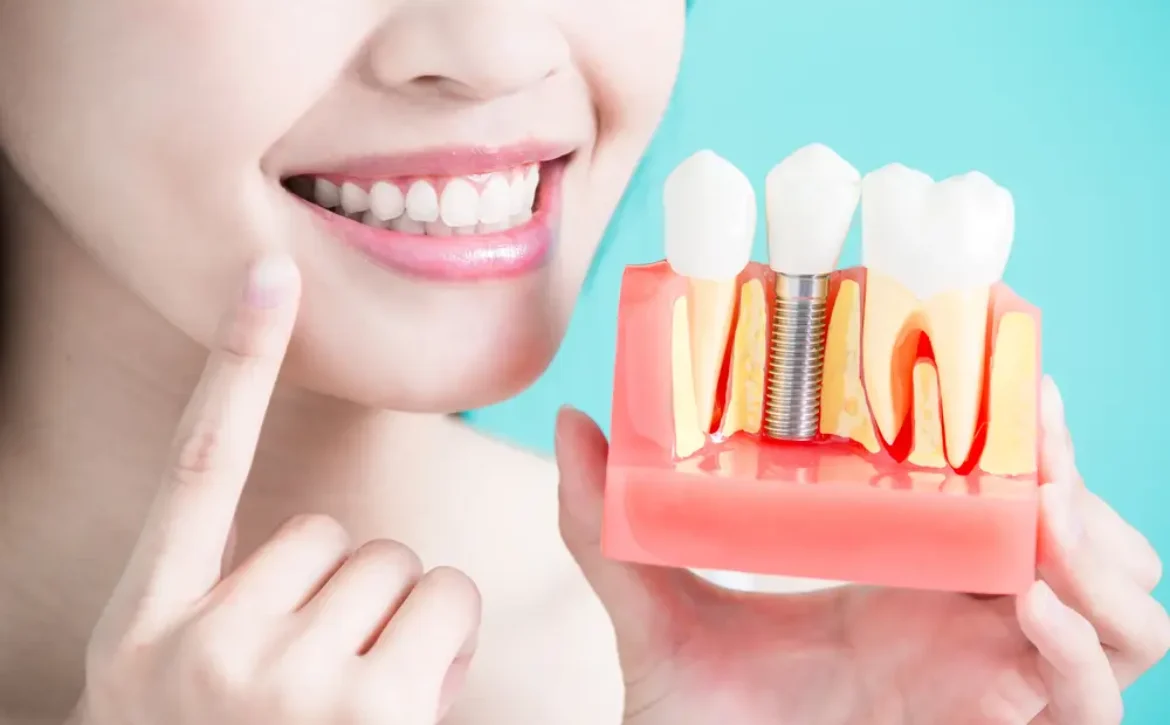
Dental implants are artificial tooth roots, usually made from titanium, which allows a replacement tooth or set of teeth to be securely anchored in the jawbone. The dental implant process involves placing an implant post into the jawbone, affixing an abutment, and securing a custom-made crown or denture onto the abutment. This creates a durable and natural-looking tooth replacement with long-lasting benefits.


Benefits of Dental Implants

  1. Improved appearance: Dental implants are designed to look and feel like natural teeth, enabling a seamless transition in your smile.
  2. Enhanced oral health: Missing teeth can cause bone loss and shifting of surrounding teeth. Dental implants prevent these issues by providing a strong foundation similar to a natural tooth root.
  3. Better speech: Missing teeth can make it difficult to pronounce certain words or speak clearly. Dental implants restore the ability to communicate effectively.
  4. Comfort and durability: Dental implants are a comfortable, long-term solution, lasting for several years with proper care.
  5. Confidence boost: A full set of teeth can help you feel more self-assured and eliminate any anxieties associated with smiling or laughing in public.


The Dental Implant Process

The dental implant procedure at American MD Center begins with a comprehensive evaluation of the patient’s oral health. Depending on the condition of the jawbone and location of the missing teeth, a personalized treatment plan is created with options such as single implants, full arch restoration, or all-on-4 dental implants.

The process typically involves three main stages:

  1. Inserting the dental implant: The dentist places the titanium post into the jawbone, ensuring a secure fit.
  2. Osseointegration: This is the healing period, during which the implant fuses to the jawbone. This can take several months but provides a solid foundation for the replacement tooth.
  3. Receiving the crown or denture: Once the implant has healed, an abutment is attached to connect the custom-made crown or denture to the implant.


Choosing Dental Implants at the American MD Center in Dubai

Patients seeking dental implants in Dubai can trust the experienced professionals at American MD Center to provide exceptional care and results. With a focus on patient comfort and satisfaction, the center offers advanced dental implant options specific to each individual’s needs.

A complete, healthy, and picture-perfect smile is achievable with dental implants. Consult with the skilled professionals at American MD Center in Dubai to explore your options and begin your journey towards a more confident, stunning smile.


December 25, 2023 by wtadmin 0 Comments

Understanding the Benefits of Invisalign: Dubai’s Popular Teeth Straightening Option

If you’re on the quest for a perfect smile, Invisalign — or invisible braces – could be the ideal solution. Provided by American MD Center in Dubai, Invisalign is a popular orthodontic treatment that enhances your smile and maintains your oral health.

The journey to a perfect smile does not have to involve traditional metal braces. Invisible braces like Invisalign offer a popular and effective teeth-straightening option. The American MD Center in Dubai provides state-of-the-art Invisalign and other orthodontic treatments, helping patients realize their dream of a flawless smile while preserving the overall health of their teeth.


Understanding Invisalign

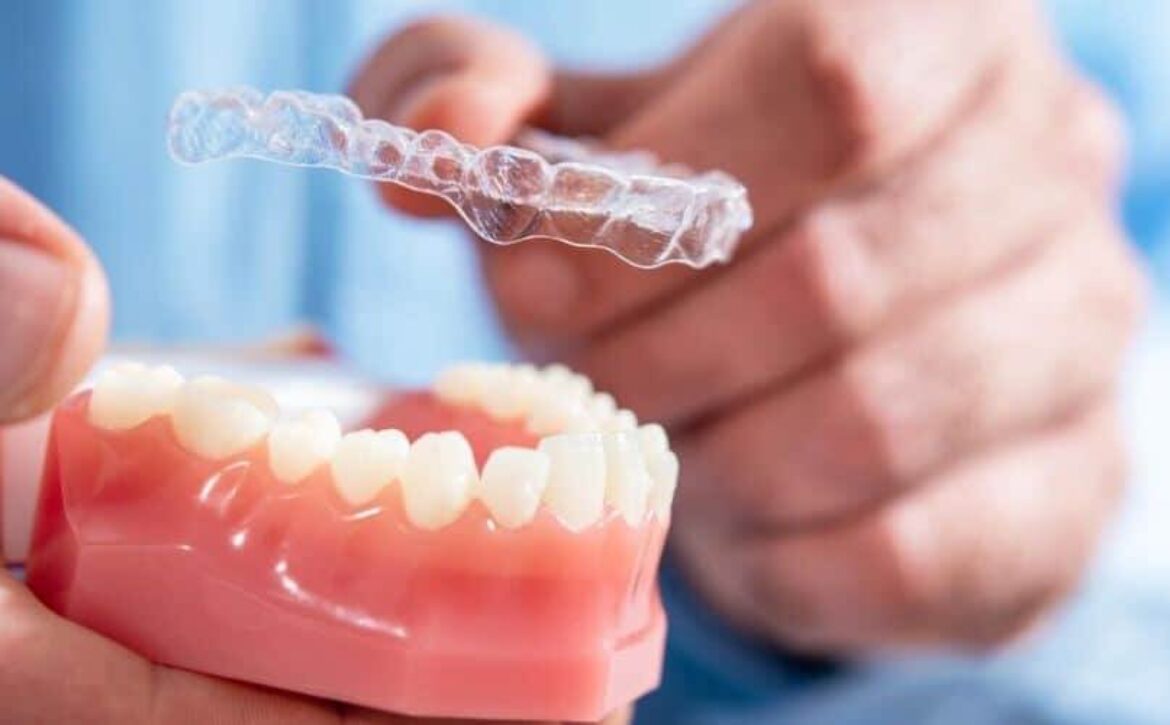
Invisalign treatment uses a series of clear, plastic aligners customized to the patient’s teeth. The aligners apply gentle pressure to shift teeth into their correct positions gradually. Progressively, the aligners are replaced every 1-2 weeks, adjusting the alignment over time until the teeth reach the desired result.


Benefits of Invisalign

  1. Aesthetically Pleasing Approach: Being virtually invisible, Invisalign aligners don’t impact your smile during treatment. They’re a preferred choice for adults who want to straighten their teeth discreetly.
  2. Comfort and Convenience: Invisalign aligners are removable, making it easier to maintain good oral hygiene and eat your favorite foods. They’re also more comfortable than traditional braces, as they don’t have sharp wires or brackets.
  3. Better Oral Health: Traditional braces can sometimes make it difficult to floss or brush effectively, but Invisalign aligners, being removable, maintain clean and healthy teeth and gums during treatment.
  4. Predictable Treatment: Invisalign treatment involves detailed treatment planning, which shows a 3D simulation of the expected smile transformation. This offers patients a clear view of what the end results will look like.
  5. Increased Confidence: Invisalign aligners work subtly to help achieve a perfect smile, boosting your confidence during and after the treatment process.


Invisalign at the American MD Center in Dubai

Dentists at the American MD Center have extensive training and experience in delivering the benefits of Invisalign treatment. The process starts with a comprehensive consultation to discuss patient needs and assess the suitability for Invisalign. If Invisalign is deemed the best option, a customized treatment plan is created, using 3D technology to map the journey to a new smile.


Conclusion

When it comes to transforming smiles in Dubai, Invisalign from the American MD Center often stands out as a leading choice. It provides an ideal blend of comfort, convenience, and effectiveness, making it a popular teeth-straightening option. If you are looking to improve your smile without significant lifestyle changes, consult the team at American MD Center to understand how Invisalign can help you achieve your dream smile.

November 22, 2023 by wtadmin 0 Comments

Expert Oral Health Care Services

Dental restoration is imperative for maintaining your oral health and aesthetics. Crowns and bridges are popular methods employed in Dubai to restore missing teeth, treat tooth decay, and enhance smiles. Here’s how these treatments can be leveraged for a healthier and more vibrant smile.

For individuals grappling with dental issues, crowns and bridges offer viable solutions. These treatments, available at the American MD Center in Dubai, serve various purposes—from restoring a decayed tooth to replacing a missing one.


Understanding Dental Crowns and Bridges

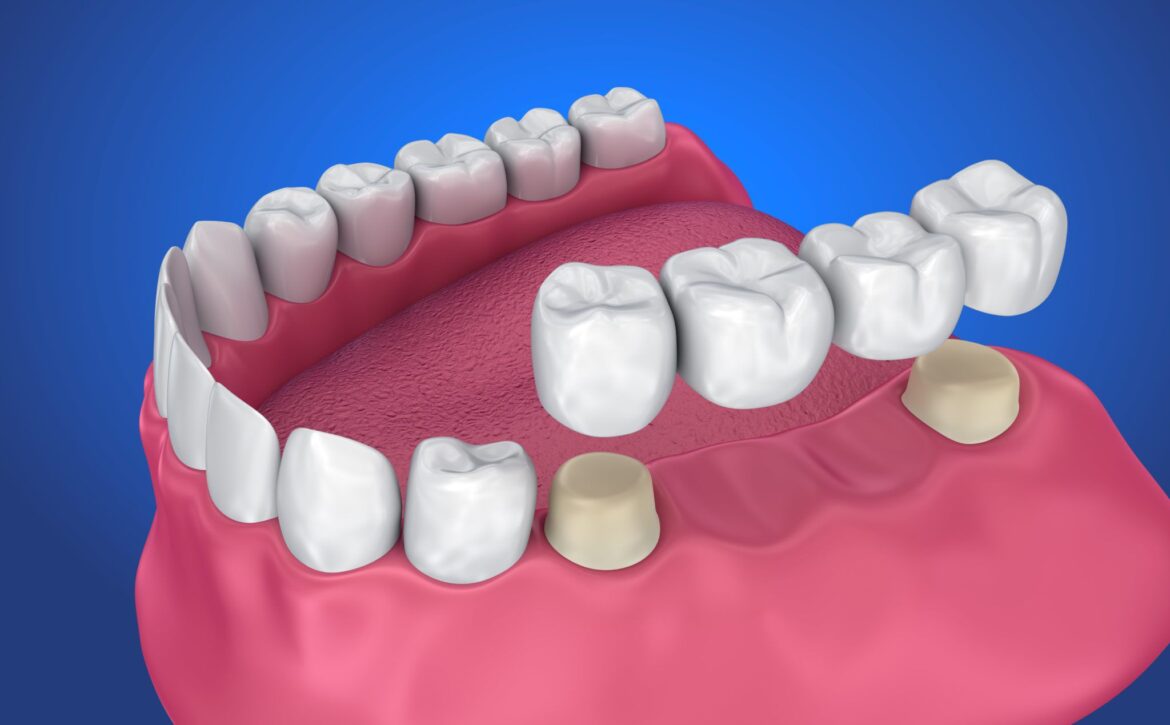
A dental crown is a cap-like structure placed over a damaged tooth, restoring its shape, durability, and appearance. It can also be placed on top of an implant, providing a tooth-like structure and functionality.

A dental bridge, on the contrary, is designed to fill a gap caused by one or more missing teeth. The replacement tooth or teeth are anchored to the neighbouring teeth for support, creating a “bridge”.


Benefits of Dental Crowns and Bridges

  1. Tooth Decay and Damage Treatment: Crowns are commonly used to restore teeth that are decayed or damaged, providing protection and preventing further deterioration.
  2. Replacement of Missing Teeth: Bridges are an ideal solution for missing teeth, restoring functionality for eating and speaking as well as maintaining the shape of your face.
  3. Aesthetic Appeal: Both crowns and bridges can be tailored aesthetically to match the color, shape, and alignment of your teeth, contributing to a beautiful smile.
  4. Durability: With proper oral care and hygiene, crowns and bridges can last for many years, making them a durable dental restoration solution.
  5. Boost Self-esteem: By restoring damaged or missing teeth, crowns and bridges can boost your confidence, providing you the freedom to smile without hesitation.


Dental Crowns and Bridges at the American MD Center, Dubai

The American MD Center offers personalized dental crown and bridge procedures, helping patients regain their tooth functionality and aesthetic appeal. The process commences with a comprehensive evaluation to understand the patient’s needs and determine the most suitable treatment plan.

With highly qualified professionals and state-of-the-art technology, the Center ensures the most comfortable and effective experience for patients seeking dental restoration.


Conclusion

Dental crowns and bridges have proven to be transformative for those seeking to improve their oral health and achieve a better smile. By addressing different dental issues from tooth decay to missing teeth, these treatments are comprehensive options that blend health and aesthetic dentistry seamlessly. Consult with the American MD Center in Dubai to understand how dental crowns and bridges can contribute to your journey towards an improved smile and enhanced oral health.

November 22, 2023 by wtadmin 0 Comments

Step-by-Step Guide to the Root Canal Treatment Process

Root canal treatment, also known as endodontic therapy, is a dental procedure commonly employed to save an infected or damaged tooth. Here’s a detailed, step-by-step guide to help you understand the process and alleviate any concerns you might have about the procedure.

A root canal treatment, when suggested by a dentist, can often unnecessarily evoke anxiety in patients. However, understanding the process allows for easier decision-making and can assuage fears associated with the procedure. Essentially, a root canal treatment is designed to save your natural tooth and alleviate pain caused by infection or inflammation.


Step-by-Step Guide to Root Canal Treatment


  1. Consultation and Diagnosis: If you experience symptoms like severe toothache, prolonged sensitivity to heat or cold, or gum swelling, consult your dentist, who will carry out a thorough examination and identify if a root canal treatment is necessary.
  2. X-ray and Anesthetic Application: Once the root canal treatment is confirmed, your dentist will take X-rays to have a clear view of the tooth and its roots. Afterward, local anesthesia will be administered to numb the area, ensuring a pain-free procedure.
  3. Access Hole Creation: The dentist creates a small access hole in the tooth’s enamel to remove the infected or inflamed pulp, which comprises blood vessels, nerves, and connective tissue, from the root canals.
  4. Cleaning and Shaping: Special dental instruments are used to clean the infected root canals and shape them to receive the filling material. A thorough cleaning is essential to prevent reinfection.
  5. Irrigation and Drying: The root canals are flushed with an antibacterial solution to remove any residual bacteria or debris. Then, the canals are dried using absorbent paper points.
  6. Filling and Sealing: Gutta-percha, a rubber-like material, is used to fill the cleaned root canals, and a sealer paste is employed to ensure a tight seal. This step prevents any future infection or leakage.
  7. Temporary or Permanent Filling: A temporary or permanent filling material is placed in the access hole to close the opening.
  8. Crowning the Tooth (if required): In some cases, a dental crown may be recommended to protect the treated tooth and improve its function, especially when the tooth suffers a considerable loss of structure.
  9. Postoperative Care: After the root canal treatment, it’s crucial to maintain good oral hygiene, including regular brushing, flossing, and routine dental check-ups, to ensure the long-term success of the procedure.


Conclusion

A root canal treatment can save your natural tooth while eliminating pain and discomfort caused by tooth inflammation or infection. Understanding each step in the process can help you overcome any apprehension and ensure you receive the appropriate care for your dental needs. Reach out to a trusted dental professional to address your concerns and inquire further about the root canal treatment process.


November 10, 2023 by wtadmin 0 Comments

Bone Grafting in Dubai: Strengthening Your Jaw for Dental Implants

Bone grafting is an essential precursor to successful dental implant procedures, especially in cases where bone loss has occurred. Offered by the American MD Center in Dubai, this periodontics treatment strengthens your jawbone, preparing it for implant placement and transforming tooth loss solutions.

When considering dental implants, sufficient bone density in your jaw is key. However, tooth loss often leads to bone loss in the jaw, making implant placement a challenge. Bone grafting, a common dental surgery procedure, helps rectify this problem, creating a strong foundation for implants. Here’s a look at how bone grafting is revolutionizing tooth loss solutions in Dubai, ensuring successful dental implants.


Understanding Bone Grafting

Bone grafting is a surgical procedure that involves transplantation of bone tissue. In the realm of periodontics, bone grafting fills in the areas of the jawbone that have lost bone density due to tooth loss, trauma, or disease. The graft not only replaces lost bone, but it also helps the body regenerate its own bone. This new bone growth strengthens the grafted area, creating the right environment for a dental implant.


Benefits of Bone Grafting

  1. Preparation for Dental Implants: Bone grafting often serves as the stepping stone to successful dental implant placement, providing the necessary bone structure for implant anchorage.
  2. Preventing Further Bone Loss: Bone grafting stimulates the body to regenerate its own bone, thus helping in preventing further bone loss, which is integral in maintaining facial structure.
  3. Improving Dental Function and Aesthetics: A successful bone graft creates a stable base for a dental implant, which ultimately improves dental function and aesthetics.
  4. Preserving Oral Health: By addressing bone loss, bone grafting also contributes significantly to overall oral health.


Bone Grafting at American MD Center in Dubai

The American MD Center, known for its expert periodontics services, offers comprehensive bone grafting procedures. The dental surgeons are adept at diagnosing and treating bone loss, ensuring patients can confidently proceed with dental implant treatments.

The bone grafting process begins with a thorough examination of your oral health, followed by a discussion of your tooth replacement goals. If a bone graft is deemed necessary, a detailed plan is formulated, taking into consideration the patient’s overall health, precise grafting needs, and the expected recovery period.


Conclusion

Bone grafting in Dubai is playing a transformative role in offering comprehensive tooth loss solutions. By strengthening the jaw for dental implants, this procedure not only enhances oral functionality and aesthetics, but it is instrumental in preserving facial structure and improving oral health. Reach out to the dental specialists at the American MD Center in Dubai to explore how bone grafting and dental implants can solve your tooth loss problems.

November 10, 2023 by wtadmin 0 Comments

Teeth Whitening Options: Comparing Home Teeth Whitening, Laser Teeth Whitening, and Zoom Teeth Whitening

Teeth whitening treatments are designed to provide a brighter smile by removing stains and discoloration from the teeth. This article compares three popular teeth whitening options – home teeth whitening, laser teeth whitening, and Zoom teeth whitening – to help you make an informed decision for your dental aesthetics.

Teeth whitening is a popular cosmetic treatment that aims to remove stains and lighten teeth for enhanced dental aesthetics. A wide array of teeth whitening options exists, making it daunting to choose the best one for you. To narrow down your options, let’s compare three popular methods: home teeth whitening, laser teeth whitening, and Zoom teeth whitening.


Home Teeth Whitening

Home teeth whitening typically involves the use of over-the-counter products like whitening strips, gels, toothpaste, or custom-made trays provided by a dentist. This method offers the convenience of self-administering the treatment at home.


Pros:
  • Cost-effective compared to professional treatments
  • Relatively easy to use
  • Can provide noticeable results over time
Cons:
  • May take weeks to achieve desired results
  • May cause tooth sensitivity or gum irritation
  • Not as effective on deep or severe stains


Laser Teeth Whitening

Laser teeth whitening is a professional in-office treatment that uses a combination of a high-concentration whitening gel and laser light to accelerate the whitening process. The procedure can take as little as an hour and is performed by a dental professional.

Pros:
  • Fast results, usually in just one appointment
  • Long-lasting whitening effect
  • Dental professional supervision reduces risks
Cons:
  • Can be costly compared to other options
  • May cause temporary tooth sensitivity
  • Not suitable for everyone (e.g., those with dental restorations or extreme sensitivity)


Zoom Teeth Whitening

Zoom teeth whitening is a specific brand of in-office whitening treatment that employs a unique LED light-activated system combined with a specially formulated hydrogen peroxide gel. This system provides immediate results and is also administered by a dental professional.

Pros:
  • Dramatic results after one session
  • Treatment time of only 45 minutes to an hour
  • Less tooth sensitivity compared to other professional methods
Cons:
  • More expensive than home teeth whitening solutions
  • May still cause temporary discomfort or sensitivity
  • Not effective on certain types of stains (e.g., tetracycline or fluorosis stains)


Conclusion

When choosing a teeth whitening method, consider factors such as your budget, desired results, and individual needs. Home teeth whitening is a convenient and cost-effective option but may take time to achieve noticeable results. Laser teeth whitening and Zoom teeth whitening are professional in-office treatments that provide fast, dramatic results, but they come at a higher cost. If unsure about which treatment is best for you, consult a dental professional for personalized advice and guidance.

October 12, 2023 by wtadmin 0 Comments

The Importance of Dental Sealants for Preventing Tooth Decay

Dental sealants offer an effective solution for cavity prevention, especially in children. Acting as a protective barrier, these sealants shield the teeth from decay, ensuring long-lasting tooth protection and better oral care throughout childhood and beyond.

Cavities, or tooth decay, are a prevalent oral health issue affecting millions of people globally. Implementing preventive measures such as dental sealants, particularly in children’s dentistry, can make a significant difference in minimizing the risk of tooth decay. By understanding the importance of dental sealants, you can make an informed decision about incorporating them into your family’s oral care routine.


What Are Dental Sealants?

Dental sealants are a thin, transparent plastic material applied to the chewing surfaces of the back teeth (molars and premolars) to prevent cavities. The sealant quickly bonds into the depressions and grooves (pits and fissures) of the teeth, forming a protective barrier against plaque, food particles, and bacteria — the primary culprits of tooth decay.


Benefits of Dental Sealants

  1. Cavity Prevention: Sealants have been shown to reduce the risk of decay by nearly 80% in molars. It is an effective preventive measure, especially in children, who are more prone to tooth decay.
  2. Long-Lasting Protection: Dental sealants can provide protection against cavities for several years. Regular dental checkups will allow your dentist to monitor and reapply sealants as needed.
  3. Simple and Painless Procedure: Applying dental sealants is a quick, non-invasive, and painless procedure. The sealants can be applied during a regular dental visit, without causing any discomfort or stress.
  4. Cost-Effective: Dental sealants are an affordable option for cavity prevention. They can save you money in the long run by minimizing the need for fillings, crowns, or other restorative treatments.


Dental Sealants in Children’s Dentistry

Dental sealants are a vital component of children’s dentistry. The American Dental Association (ADA) recommends that children receive sealants as soon as their first permanent molars come in around the age of 6 and again when their second permanent molars appear around the age of 12. Applying sealants during this crucial period of dental development can significantly help in cavity prevention.


Conclusion

Dental sealants are a valuable preventive measure that promotes better oral care and tooth protection. They are especially important within children’s dentistry, as establishing a strong foundation for oral health early in life can lead to lifelong benefits. Make sure to discuss dental sealants with your dentist to determine if they are the right choice for you or your child, and how they can be integrated into your dental care plan.

Free Consultation Now !
close slider